Cart
0
In the United States, the quality of maternal healthcare a person receives is often determined by a factor as simple as their zip code. For those living in metropolitan areas, specialized care and hospital labor and delivery units are typically just a short drive away. However, for millions of women in rural America, the reality is starkly different. Geography has become a significant risk factor, creating deep disparities in maternal health outcomes.
The concept of maternal health is centered on the principle that every pregnant individual should have a fair and just opportunity to be as healthy as possible. Currently, that opportunity is being hindered by the rise of maternal care deserts, counties where there is no access to birthing centers, obstetricians, or certified nurse midwives. As Navigate Maternity continues its mission to deliver Whole Mom Care and EmpowerHER through connected clinical monitoring and coordinated support, the focus should remain on using technology and care coordination to bridge the physical distance between rural patients and time-sensitive medical expertise.
Understanding the Landscape of Maternal Care Deserts
A maternal care desert is more than just a geographic inconvenience; it is a clinical crisis. Research indicates that more than 50% of rural counties in the United States lack hospital-based obstetric services. Since 2005, over 180 rural hospitals have closed their doors, and many others have been forced to shutter their labor and delivery units due to staffing shortages and financial pressures.
When a local hospital closes its maternity ward, the burden of care shifts directly to the patient. Statistics show that less than 50% of rural women have access to maternal services within a 30-mile drive of their home. Perhaps most concerning is that more than 10% of rural women must drive 100 miles or more to reach the nearest obstetric provider. These long distances lead to skipped prenatal appointments, delayed diagnosis of complications, and a higher risk of out-of-hospital births that lack the necessary emergency equipment for high-risk scenarios.

The Rural Health Disparity by the Numbers
The impact of these care deserts is visible in the maternal mortality and morbidity rates. Rural maternal mortality rates are approximately 60% higher than those in urban areas. This is not because rural patients are inherently less healthy, but because the system of delivery is fractured.
Several factors contribute to these outcomes:
- Workforce Shortages: Rural areas struggle to attract and retain maternal health practitioners.
- Insurance Gaps: A high percentage of rural births are covered by Medicaid, and rural residents often report higher rates of delayed care due to out-of-pocket costs.
- Lack of Specialty Care: If a rural pregnancy becomes high-risk, such as in cases of preeclampsia or gestational diabetes, the lack of subspecialty perinatal services makes managing these conditions nearly impossible without significant travel.
To learn more about how we are working to change these statistics, visit our About Us page.
How Remote Patient Monitoring Bridges the Gap
The traditional model of maternal care relies on the "brick and mortar" clinic visit. A patient drives to an office, sits in a waiting room, gets their blood pressure checked, and then drives home. In a rural setting, this cycle can take an entire day, requiring time off work and childcare arrangements. If a patient’s blood pressure spikes on a Tuesday, but their appointment isn't until the following Monday, a dangerous window of risk opens.
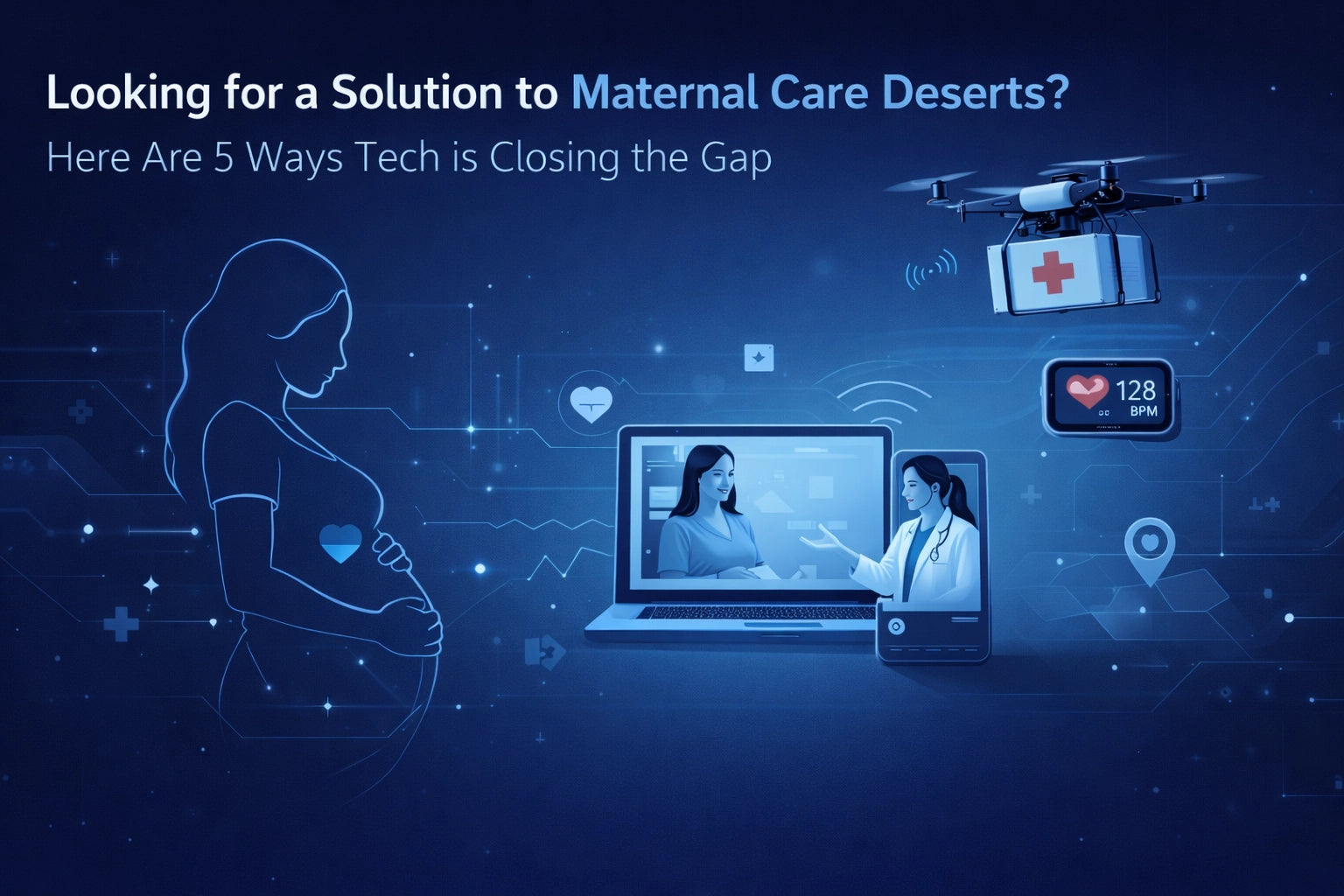
Remote Patient Monitoring (RPM) changes this dynamic by bringing the clinic to the patient’s home. Through NavigateHER, Navigate Maternity’s patient-facing EHR and telehealth app, moms use a single hub for real-time tracking of key indicators such as blood pressure and mental health check-ins, alongside other pregnancy and postpartum needs.
Key Benefits of RPM in Rural Areas:
- Continuous Oversight: Rather than relying on sporadic office visits, providers receive a continuous stream of data.
- Early Detection: Conditions like pregnancy-induced hypertension or preeclampsia can be identified the moment symptoms or abnormal readings occur.
- Reduced Travel Burden: Patients only need to make the long trek to a clinical center when the data indicates a medical necessity, saving them time and resources.
By integrating RPM into the standard of care, ensure that a patient living 100 miles from a hospital receives the same level of monitoring as someone living five minutes away. Use Navigate180 to deploy a tangible at-home solution—our self-monitoring kit with a pregnancy-validated blood pressure cuff paired to NavigateHER for real-time tracking and insights. Use Navigate360 to extend Whole Mom Care further by combining Navigate180 with insurance-covered pregnancy essentials (including compression garments, breast pumps, and accessories) that reduce friction for rural moms who cannot easily access supplies. This is a fundamental step toward improving maternal health.

Enhancing Care Coordination with NavigatePRO
While the patient needs the tools to track their health, the healthcare provider needs a sophisticated system to manage that incoming information. This is where care coordination becomes essential. Rural clinics are often understaffed, meaning providers are overwhelmed with high patient volumes.
NavigatePRO is designed for healthcare professionals and enterprises to streamline the management of rural patient populations. The platform aggregates data from the NavigateHER app and alerts clinicians when a patient’s vitals fall outside of the normal range.
Systematic Triage and Intervention
In a rural health setting, care coordination ensures that resources are allocated where they are needed most. The NavigatePRO dashboard allows clinicians to:
- Prioritize High-Risk Patients: Automatically flag patients who are exhibiting warning signs of complications.
- Direct Communication: Provide immediate feedback or instructions to the patient via the app, potentially avoiding an unnecessary emergency room visit or, conversely, directing them to seek immediate care when every second counts.
- Close the Communication Loop: Ensure that data is shared seamlessly between primary care providers and specialists who may be located in different cities.
For payers and health systems looking to improve outcomes while managing costs, our solutions offer a scalable way to support rural health initiatives.
Tackling the Social Determinants of Health
Maternal health is not just about medical devices; it is about addressing the social determinants of health (SDOH). In rural communities, these determinants often include lack of reliable transportation, limited high-speed internet, and food insecurity.
Navigate Maternity’s platforms are built with these challenges in mind. By optimizing our technology to work on standard mobile networks, we ensure that even those with limited home internet can stay connected to their care team. Furthermore, by providing a direct line to care coordinators, we help patients navigate the complexities of the healthcare system, including eligibility for support programs and insurance coverage.

The 8-Week Rural Health Campaign: A Commitment to Action
At Navigate Maternity, we believe that your zip code should not be a risk factor for your pregnancy. We are currently focusing on an 8-week rural health campaign designed to raise awareness and implement solutions in the areas that need them most.
Our goal is to partner with rural health clinics, state health departments, and community organizations to deploy NavigateHER and NavigatePRO. By putting these tools into the hands of rural families, we are not just providing an app, we are providing a lifeline.
Why This Matters Now
The maternal health crisis in the United States is escalating, with mortality rates rising faster than in any other developed nation. The burden of this crisis is felt most acutely by Black and Indigenous women in rural areas, who face the intersection of geographic isolation and systemic healthcare disparities.
Implementing remote patient monitoring and robust care coordination is no longer a "nice-to-have" feature of a digital health platform; it is a necessary intervention to save lives and ensure that the joy of a new pregnancy isn't overshadowed by the fear of being "too far away" from help.
How You Can Participate
Whether you are a patient, a provider, or a healthcare administrator, there are ways to support improved maternal health.
- For Patients: Be proactive about your health. If you live in a rural area, talk to your doctor about remote monitoring options. You can learn more about our tools on our Patients page.
- For Providers: Evaluate how digital health technology can extend your reach. NavigatePRO is designed to help you manage your most vulnerable patients without increasing your administrative burden. Visit our HCP section for details.
- For Organizations: Partner with us to bring maternal health technology to your community. We work with enterprises and payors to create custom solutions for rural populations.

Conclusion: Geography is Not Destiny
The challenges facing rural maternal health are significant, but they are not insurmountable. By leveraging the power of technology, we can dismantle the barriers created by distance and lack of infrastructure. Every mother deserves a safe pregnancy, a supported postpartum period, and the peace of mind that comes with knowing their care team is only a tap away.
Navigate Maternity is committed to closing the gap. Follow our 8-week rural campaign and support improved maternal health. Explore our site for more resources, news updates, and information on how we are changing the landscape of maternal care for everyone, everywhere.
For further information regarding our policies, please see our Terms and Conditions and Privacy Policy.