Cart
0
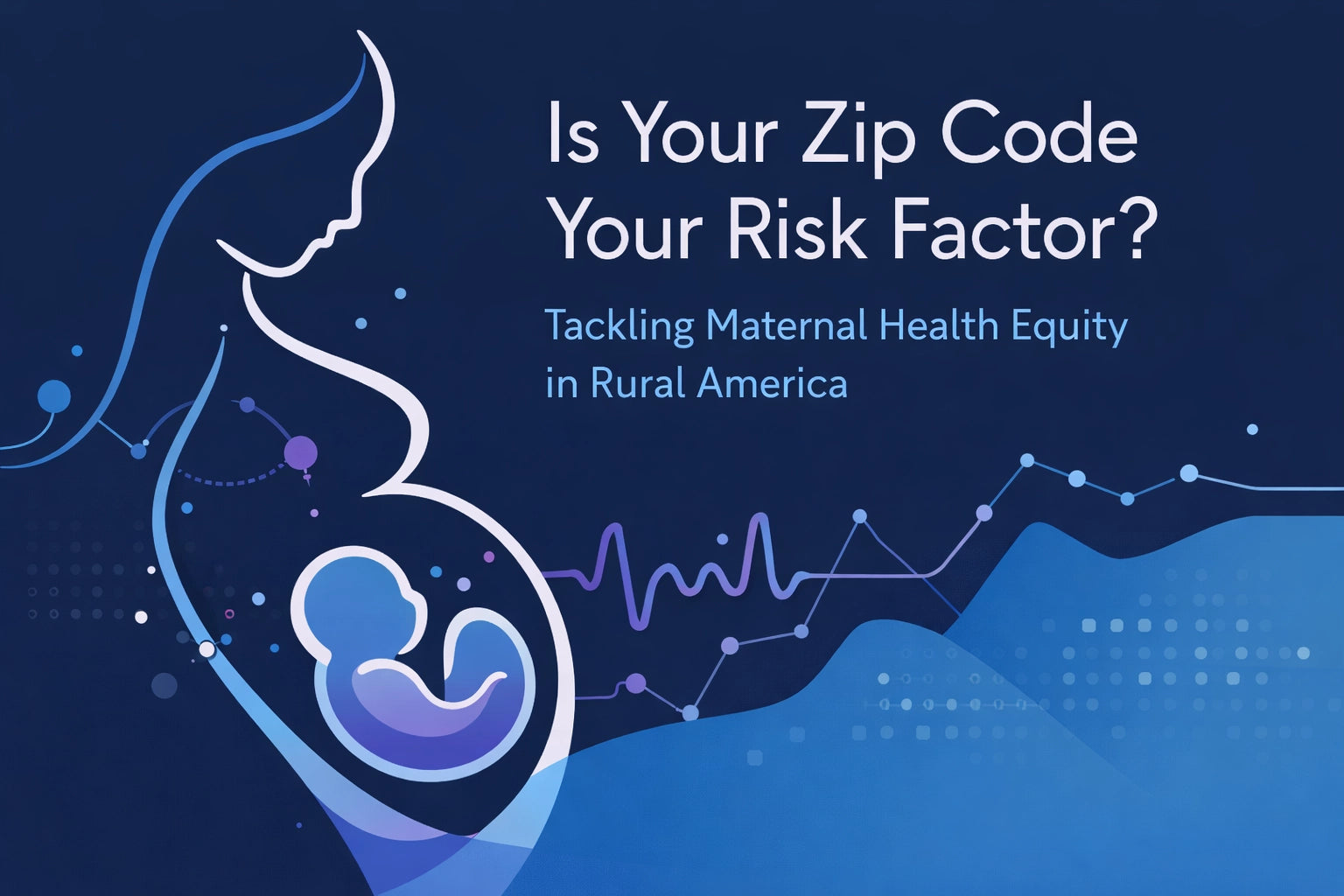
For many families living in rural America, the journey to a healthy delivery isn't just a nine-month marathon, it is a literal cross-country trek. A "maternity care desert" is defined as any county without a hospital or birth center offering obstetric care and without any obstetric providers. Currently, over 2.2 million women of childbearing age live in these deserts. When the nearest specialist is a two-hour drive away, routine check-ups become logistical nightmares, and warning signs are often missed until it is too late.
At Navigate Maternity, we believe that your zip code should never determine the quality of your maternal health outcomes. As we continue our 8-week campaign focusing on rural health, it is time to look at how modern technology is no longer just a luxury, it is the bridge that spans the gap between underserved communities and life-saving care.
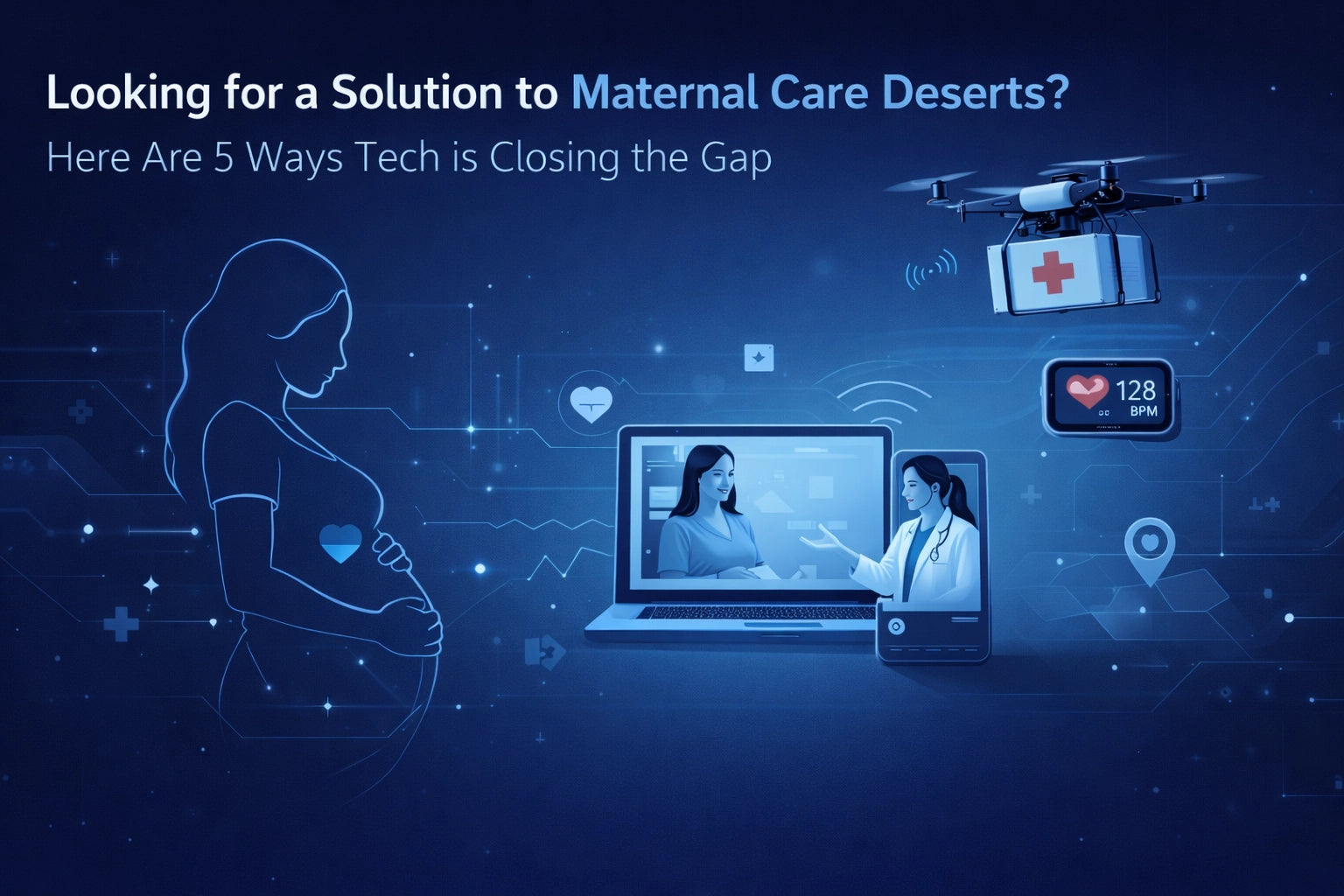
Here are five ways technology, including our NavigatePRO and NavigateHER platforms, is effectively closing the gap in maternal care deserts.
1. Decentralizing Care via Remote Patient Monitoring (RPM)
The traditional model of maternal care relies on frequent in-person visits. For someone in a care desert, this means taking a full day off work, securing childcare for other children, and spending significant funds on fuel. Remote patient monitoring (RPM) changes this dynamic by moving the "check-up" from the clinic to the living room.
Using digital health tools, providers can track vital signs in real-time. This is particularly critical for monitoring conditions like gestational hypertension. When a patient uses a tool like our Navigate 180 kit, they can take their own blood pressure at home. The data is then transmitted directly to their care team.
This shift allows clinicians to prioritize high-risk patients who actually need to make that long drive, while ensuring low-risk patients remain safe and monitored without the unnecessary stress of travel. By implementing RPM, healthcare systems can scale their reach, effectively extending their "walls" into the most remote parts of the state.
2. Real-Time Data Integration and Early Intervention
One of the biggest hurdles in rural maternal health is the delay in communication. If a patient’s blood pressure spikes on a Tuesday, but their next appointment isn't until the following Monday, a dangerous window of opportunity is lost.
Technology like NavigatePRO acts as a centralized dashboard for healthcare providers. It aggregates data from the patient-facing NavigateHER app, allowing nurses and doctors to see trends as they happen.
- Automated Alerts: If a patient's data falls outside of normal parameters, the system flags the provider immediately.
- Data-Driven Insights: Instead of relying on a patient's memory of their symptoms, doctors have access to hard data. This objective information is vital for managing high-risk pregnancies and preventing the escalation of conditions like preeclampsia.
- Streamlined Workflow: By automating the data collection process, rural clinics, which are often understaffed, can manage larger patient panels more effectively.

3. Empowering Patients with Comprehensive Self-Monitoring Kits
Access to technology is only useful if the patient has the right tools to provide high-quality data. In maternal care deserts, pharmacies and medical supply stores can be just as scarce as doctors. This is why we developed our product bundles to ensure no mother is left without the essentials.
Our Navigate180 bundle is designed for independent monitoring. It includes a high-accuracy blood pressure cuff that pairs seamlessly with our software. For those needing a higher level of support, the Navigate360 suite offers a full spectrum of care. This includes:
- Compression Garments: Essential for managing edema and improving circulation. You can find our pregnancy belly support band as part of our integrated approach to physical comfort and health.
- Breast Pumps: Ensuring that postpartum support includes lactation resources, even when a lactation consultant isn't nearby.
- Symptom Tracking: Encouraging patients to log physical and mental health changes daily.
By providing these kits, we remove the "equipment barrier" that often prevents rural patients from participating in digital health initiatives.
4. Enhancing Postpartum Care in the "Fourth Trimester"
The risk to a mother does not end once the baby is born. In fact, more than half of pregnancy-related deaths occur in the postpartum care period. In care deserts, the traditional six-week postpartum check-up is frequently missed because the focus shifts entirely to the newborn, or the mother simply cannot coordinate the travel after a major medical event like birth.
Technology ensures that the "Fourth Trimester" is just as monitored as the first three.
- Mental Health Screening: Digital platforms can prompt mothers to complete depression and anxiety screenings from their phones, facilitating early intervention for postpartum depression.
- Wound Monitoring: For those who have had C-sections, telehealth visits allow providers to visually inspect incisions without requiring the patient to travel.
- Continuous Monitoring: Postpartum hypertension is a leading cause of readmission. Continued use of the blood pressure cuff from the Navigate180 kit can literally be a lifesaver in the weeks following delivery.
By maintaining a digital connection, we ensure that mothers in rural areas aren't "falling off the map" the moment they leave the hospital.

5. Overcoming Social Determinants of Health (SDOH) Through Connectivity
Maternal care deserts are often plagued by broader social determinants of health, such as lack of transportation, food insecurity, and limited internet access. While tech cannot pave new roads, it can mitigate the impact of existing ones.
Navigate Maternity focuses on making our technology accessible. The NavigateHER app is designed to be intuitive and functional even on older smartphone models. By streamlining care, we reduce the financial burden on families. When a patient can use a U-shaped cooling fabric pregnancy pillow to manage discomfort and monitor their vitals via an app, they are more engaged in their own care.
Furthermore, digital health platforms can serve as a hub for other resources. Providers can use these channels to send information about local food banks, transportation vouchers, or eligibility for insurance-covered equipment.
The Path Forward
The goal of maternal healthcare technology is not to replace the human touch of a doctor or midwife, but to ensure that the human touch is available exactly when it is needed most. For the millions of women living in care deserts, remote patient monitoring and integrated health platforms are the only way to ensure parity in care.
We invite healthcare providers to explore how NavigatePRO can transform their rural outreach. By adopting these data-driven solutions, we can begin to see a decline in maternal mortality rates and an increase in healthy, happy beginnings for families, regardless of where they call home.
If you are a patient or a provider looking to close the gap in your community, check out our patients page to see how our kits and software work together to create a safer pregnancy journey.

About Navigate Maternity
We are a digital health company dedicated to improving maternal health outcomes through innovative technology. Our mission is to provide every mother with the tools and monitoring they need for a safe pregnancy and postpartum experience. From our NavigatePRO clinician dashboard to our NavigateHER patient app, we are bringing maternal care into a new era of connectivity and compassion. To learn more about our terms and how we protect your data, please visit our terms and conditions.